
Heel pain can jab, jolt, or clamp your foot without warning. It might jolt the moment you hop out of bed or sneak back after a short stroll. This often shows that your plantar fascia—the thick band under your foot—has been pulled too far or even torn.
Begin by uncovering what sparks the pain and how to alleviate it. Easy actions—like cooling, stretching, and lacing up sturdy shoes—can lessen the sting. You don’t need special tools to fix it. With careful steps and wise choices, you can stride back into ease.
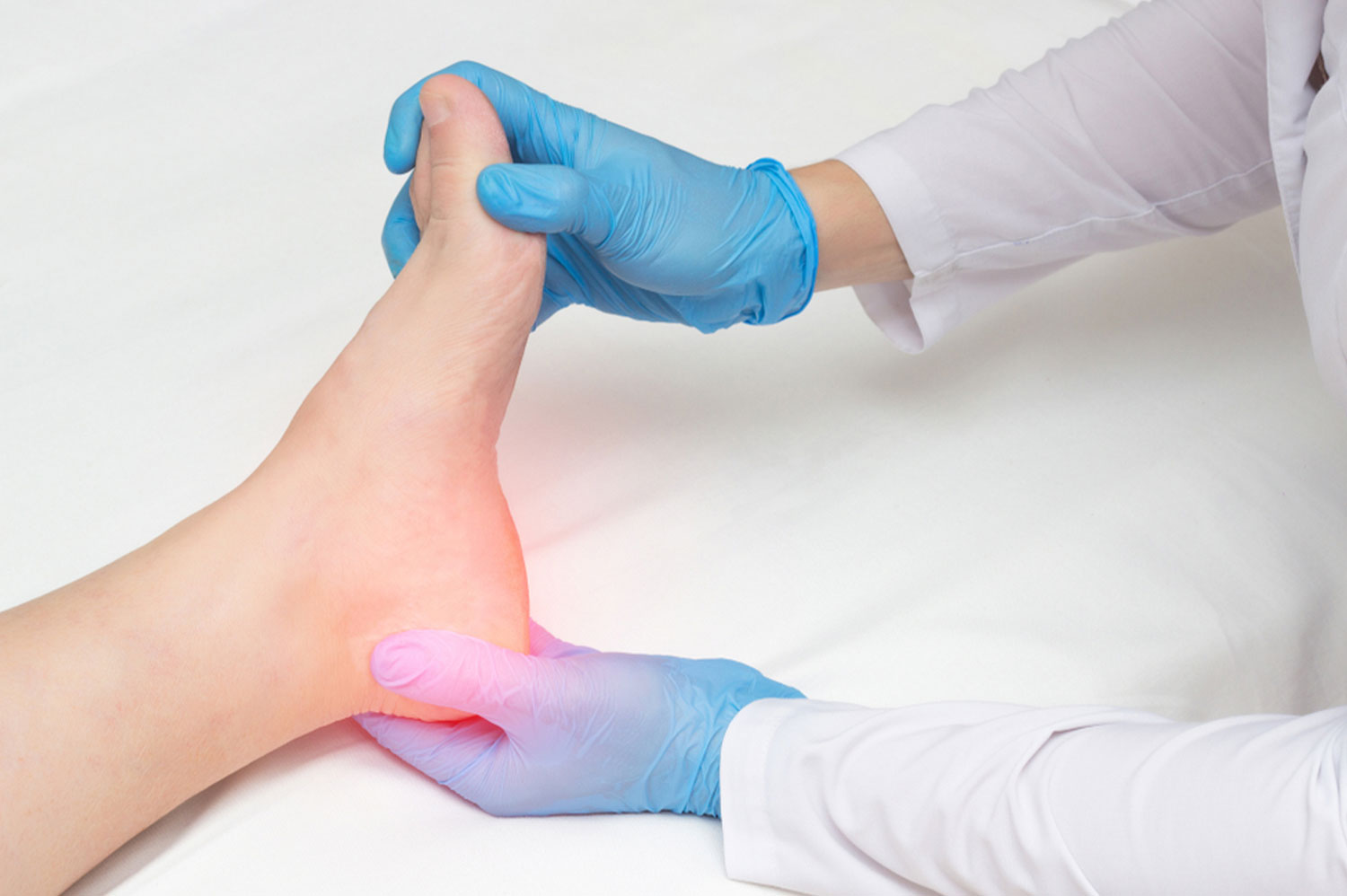
Why does Plantar Fasciitis happen?
Plantar fascia inflammation affects the thick band of tissue running from your heel to your toes. It supports the arch of your foot and helps you move comfortably. But when you leap, run, or stand for long periods, this band can overstretch or tear—triggering sharp, persistent pain.
You might feel a sharp jab in your heel. It pops up in the morning, fades as you move, then sneaks back after you rest. Runners, teachers, nurses, and people with flat or high arches often wrestle with it. Pain doesn’t stay forever. You can chase it away with rest and the right care.
How to Prevent It at Home
Stop pushing through the pain. Your feet need a break. Rest gives it time to heal and stops the swelling from getting worse.
Follow these easy tricks:
- Lie down and lift your heel on a pillow.
- Grab a towel and wrap it around frozen peas or crushed ice.
- Do an ice massage on your heels for 15 minutes, four times a day.
You can also roll your heel on a frozen bottle. This chills the sore spot and shrinks the swelling. Stay off your feet when you can.
Stretches to Relieve Heel Pain
Stretching your foot makes a big difference. It loosens tight muscles and wakes up stiff parts. These heel pain relief exercises feel gentle, but they work fast.
Try these daily moves:
- Wall stretch: Step one foot back, press your hands on a wall, and lean in. Hold for ten seconds. Switch legs.
- Toe bend: Sit and cross your foot over the other leg. Tug your toes back toward your shin.
- Foot roll: Take a ball or frozen can. Roll it under your arch for two minutes.
Each stretch unlocks your foot. Do them morning, noon, and night.
Night Support for Heel Pain
When you sleep, your feet often point down. That makes the fascia shorter and tighter. When you stand up in the morning, it pulls hard, and that hurts. Night splints hold your foot up at a 90-degree angle.
This keeps the band stretched through the night. The stretch may feel strange at first, but it works well. Many people who use splints sleep better and step out of bed with less pain. Use splints until your foot feels better. Then slowly stop wearing them.
Proper Foot Support for Relief
Walking barefoot or in old shoes makes your pain worse. Your foot needs help. Proper gear gives it shape and takes the load off the sore tissue.
Here’s what can help:
- Slip in firm inserts made for foot arch support therapy
- Use heel cups to soften your steps.
- Tape your foot in a way that holds it steady.
Don't wear flip-flops or walk on tile floors with bare feet. Choose shoes that grip your arch and give your heel a soft landing.
Daily Routine for Healing Pain
What you do every day can either help or hurt your foot. To keep pain from coming back, follow simple changes in your routine.
These tips work well:
- Toss old shoes and get a new pair every few months
- Pick sports like swimming or biking instead of running.
- Stay at a healthy weight to lighten the load on your feet.
Simple changes make a big difference. Move with care, not in a rush.
Sleeping Tips for Foot Healing
Did you know that tight sheets can strain your heel? If your sheets press your feet down at night, they shorten the fascia. Loosen your bed sheets around your feet. This lets them stay in a better position while you sleep. Small fixes like this prevent pain in the morning.
Simple Exercise to Reduce Strain
Tight calves pull on the heel and make the pain worse. Stretching your lower leg can stop this. You don’t need to go to a gym or fancy gear.
Try this:
- Face a wall. Step one foot back. Keep both feet flat.
- Lean forward and press your hands into the wall.
- Hold the stretch for 15 seconds. Then switch sides.
Do this stretch three to five times a day. This simple heel pain relief exercise makes walking feel smoother.
Mistakes That Can Delay Healing
Some actions can stir up pain or drag out healing. Follow proper Plantar Fasciitis Heel Pain Treatment steps to ease pain, speed up recovery, and stop it from coming back.
Stay away from:
- Running on hard ground
- Wearing flat shoes with no support
- Skipping your stretches
Instead, pick soft steps, good shoes, and calm routines.
When to See a Doctor
Most people feel better with rest, ice, and stretches. But when the pain grows or lasts for months, talk to a doctor. You may need special treatment like therapy or an injection. Don’t wait too long. Plantar fascia inflammation gets harder to treat the longer it stays.
Tips to Prevent Heel Pain
Once the pain goes away, your job isn’t over. Keep doing what helped with foot arch support therapy. Even when your foot feels fine, support it every day.
Do this:
- Stretch in the morning and after long walks
- Avoid barefoot walking, especially on hard surfaces.
- Use inserts if you stand or walk a lot at work
These small steps can guard your feet from pain in the future.
Final Thoughts
Heel pain shouldn’t steal your joy or crush your stride. You can mend your foot with steady care and the right moves. Plantar fasciitis might slow you now, but it doesn’t own your path forward. Explore smart steps for your foot to begin its comeback.
Chill the sore spot, stretch the tight parts, and strap on shoes that hug your arch. These actions speak louder than pain. Choose to walk with purpose and treat your foot like it matters—because it does. Keep going. Each pain-free step plants you closer to ease.
At PostRehabSpecs.com, our trained therapists provide effective Plantar Fasciitis heel pain treatment in Singapore, using proven techniques to relieve pain and help you recover strength from foot and sports injuries.
Frequently Asked Questions