
Key Takeaways
- Tight hip flexors can contribute to stiffness at the front of the hip and make walking, squatting or extending the leg feel more restricted.
- Persistent tightness is not always a stretching problem. Sitting habits, training load, muscle function and movement patterns can all play a part.
- Lasting improvement often comes from identifying what is driving the restriction and addressing how different muscles and joints work together.
- Regular movement breaks, appropriate strengthening and well-chosen mobility work can help keep the hips moving more comfortably during daily activities and exercise.
Introduction
Tight hip flexors can feel like a simple flexibility problem, but there is often more going on than just “needing a stretch”. The muscles at the front of the hip lift the leg, support the pelvis and contribute to smooth movement when you walk, run or train. When that area keeps feeling tight, it may be linked to long hours of sitting, repetitive movement, muscle imbalance, or how the hips and glutes work together.
At Sports Massage Clinic, we often see this in office workers who feel stiff after sitting all day, runners whose hips become more restricted as their mileage increases, and active individuals who notice discomfort during lunges, squats or longer strides. Hands-on treatment can help address muscle tension, but when the same tightness keeps returning, we also want to understand what may be contributing to it in the first place.
Common Signs of Tight Hip Flexors
Tightness at the Front of the Hip
One of the more noticeable signs is a pulling, stiff or pinching feeling at the front of the hip or around the upper groin. You may feel it when standing up after a long meeting, taking a longer stride, moving into a lunge or extending the leg behind you.
We often see this in desk workers who describe their hips as feeling “locked” after several hours of sitting. A hip flexor stretch may ease the sensation for a while, but if it keeps returning, we look beyond the tight area itself. We assess how the pelvis, glutes, and surrounding muscles work together during movement to see what may be contributing to the restriction.
Lower Back Discomfort and Changes in Posture
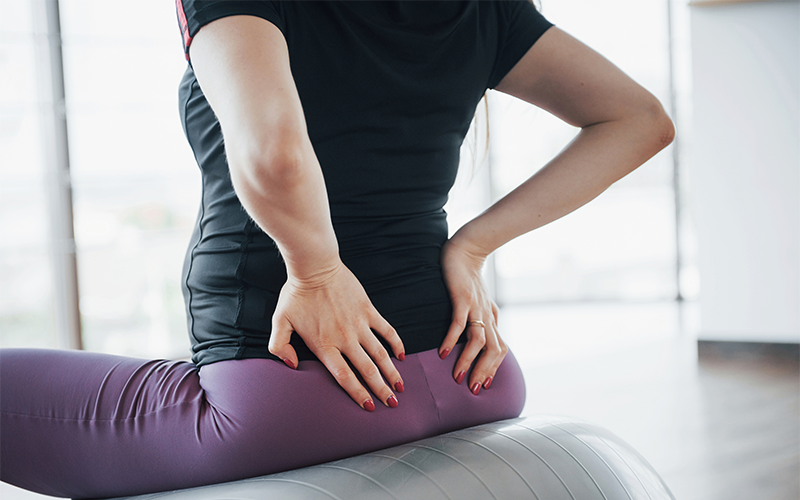
Hip flexor tightness can sometimes occur alongside an anterior pelvic tilt, where the pelvis rests in a more forward-tilted position. That does not mean the hip flexors are always the sole cause of an arched lower back, though. Posture is influenced by several muscles, joints and movement habits working together.
For example, if someone has difficulty extending the hip while walking or performing a split squat, they may compensate by moving more through the lower back. Repeated over time, this can leave the lumbar area feeling tired, stiff or uncomfortable. This is why we look at hip extension, trunk control and glute function rather than treating posture as a single-muscle problem.
Reduced Mobility During Everyday Movement
Reduced hip mobility often shows up in subtle ways. You may notice your stride becoming shorter, stairs feeling less comfortable, or squats becoming harder to perform without shifting your weight. Lifting the knee towards the chest or extending the leg behind you may also start to feel more restricted.
For runners, the pattern can be different. The hips may feel fine at the start of a run, then gradually begin to pull or tighten as fatigue builds, especially after an increase in mileage, hill work or faster sessions. In these cases, we also look at training load, recovery and how well the surrounding muscles are sharing the work. If the discomfort is sharp, worsening or linked to an injury, it is better to have it assessed than to keep stretching through it.
What Causes Hip Flexor Tightness?
Long hours of sitting can contribute because the hips stay bent for much of the day, with fewer opportunities to fully extend. Over time, staying in the same position can leave the front of the hips feeling stiff or shortened, especially when you stand up, walk, or return to exercise. However, sitting is rarely the only factor we consider.
Glute function can also influence how the hips feel. If glute activation is limited during movements such as walking, running, lunging or climbing stairs, other muscles around the hip may take on more of the work. We often see this in runners, cyclists and gym-goers who repeat similar lower-body movements week after week.
Training changes are another common factor we look at. A sudden increase in sprinting, hill sessions, cycling volume or lower-body training can place more demand on the front of the hip than the body is used to. In these cases, where the tightness appears can be just as useful as where it is felt, because the pattern often gives us clues about what may be contributing.
Improving Hip Mobility by Addressing the Root Cause
Stretching can help, but when tightness keeps coming back, we usually look beyond flexibility alone. Our ATE™ Method combines Assessment, Treatment and Exercise. We use movement checks and targeted questions to understand where restriction, weakness or compensation may be occurring, then choose appropriate hands-on treatment and corrective exercises based on what we find.
The priority will not be the same for everyone. One person may benefit from reducing tension at the front of the hip, while another may need better glute activation during hip extension. For runners or cyclists, we may also look at whether training volume, repeated movement or recovery is contributing to the problem.
A sports therapist in Singapore can assess how the hips, pelvis, and surrounding muscles work together and whether the symptoms suggest muscular tightness or need further investigation. Where appropriate, sports massage can be combined with corrective exercise to address relevant soft-tissue tension and improve movement.
Depending on what we find during the assessment, deep tissue massage may form part of the treatment approach. Firmer pressure is not always necessary, so we adjust the technique based on the area involved, tissue sensitivity and the goal of the session.
Simple Ways to Keep Your Hips Moving Well
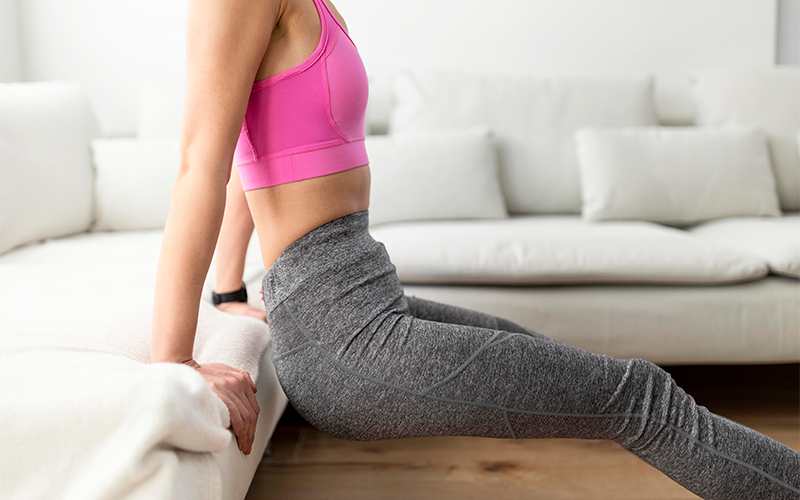
The best habits are often the ones you can keep doing consistently. If you spend most of the day sitting, try to break it up with short walks, a few minutes of movement, or simply changing position more often. A gentle hip flexor stretch can also help if it feels comfortable, but it is usually more effective when combined with strengthening work for the glutes and surrounding hip muscles.
Simple movements such as walking, bridges and controlled lunges can help the hips move through a greater range while building better control. The exact exercise should suit your current mobility and symptoms, though. If a movement causes pinching, sharp pain or worsening discomfort, reduce the range, choose a different exercise or have the problem assessed rather than pushing through it.
It is also worth noticing when the tightness tends to return. If it consistently appears after longer runs, hill sessions or heavier lower-body training, that pattern can give useful clues about what your hips are struggling to tolerate. In many cases, those repeated patterns tell us more than a single flexibility test.
Conclusion
Tight hip flexors can affect more than just the front of the hip. Over time, they may be linked to reduced hip mobility, changes in how you move, lower back discomfort, or difficulty getting the glutes to contribute as well as they should. The key is understanding what is driving the restriction, rather than repeatedly stretching the same area.
At Sports Massage Clinic, we assess how your hips, pelvis, and surrounding muscles work together before deciding what to focus on. Depending on what we find, your plan may include hands-on treatment, mobility work, glute strengthening, changes to everyday movement habits or adjustments to training load.
If your hips keep feeling tight despite regular stretching, book an assessment with us. We can look at the patterns behind the tightness and build a practical plan around how you move, train, and go about your day.