Key Takeaways
- Shin splints and stress fractures can feel similar at first, but the location, intensity and behaviour of the pain can help distinguish between them.
- Broad, aching discomfort may point towards an overload-related problem, while sharp, highly localised pain deserves closer assessment, especially if it worsens with weight-bearing.
- Repeated lower-leg pain is often influenced by training load, recovery, footwear and how the hips, knees and ankles manage impact during movement.
- The right recovery plan depends on identifying what is actually causing the pain, with further medical investigation recommended when a bone injury is suspected.
Introduction
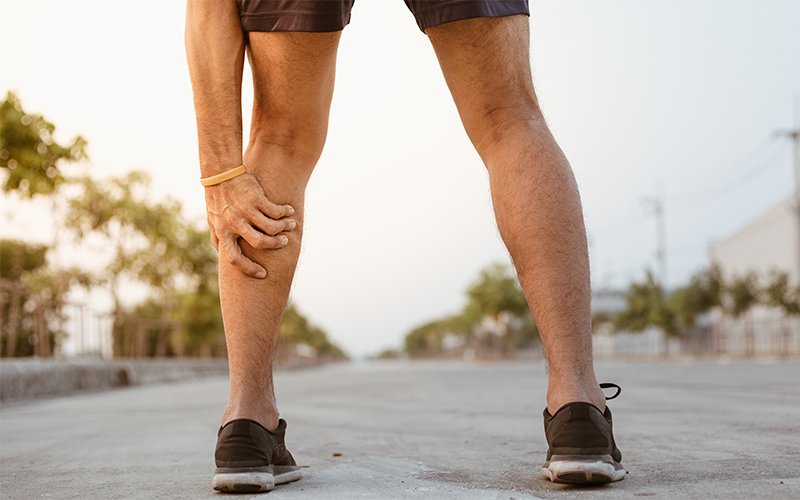
Shin pain often starts off easy to ignore. You might feel a dull ache during the first few kilometres of a run, assume your legs are simply tight, then notice the discomfort returning sooner or feeling stronger each time you train. At that point, it can be hard to know whether you are dealing with shin splints or stress fractures.
Both are common running overuse injuries that can develop when the lower leg is repeatedly exposed to more impact than it can comfortably handle, but they are not the same injury. Shin splints often improve with the right changes to training and recovery, while a stress fracture involves the bone itself and needs a more cautious approach.
Knowing which pattern your symptoms resemble can help you decide when to ease back, seek an assessment and avoid turning a manageable problem into a longer break from running.
Understanding Shin Splints and Stress Fractures
Shin splints, also known as medial tibial stress syndrome, tend to build gradually as the lower leg is exposed to repeated impact. The discomfort is usually felt along the inner edge of the shin, where the surrounding muscles and connective tissues are repeatedly loaded during running.
A stress fracture involves the bone itself. It develops when repeated impact creates more stress than the bone can repair between training sessions, eventually leading to a small crack or area of bone injury. This is more likely to happen after a sudden jump in mileage, more frequent speed sessions or a return to running after time away.
In practice, the pattern matters just as much as the location. We often see runners who assume shin pain when running is simply a sign of tight calves and try to push through it. However, someone whose discomfort eases as they warm up presents very differently from a runner whose pain becomes sharper, more localised and progressively harder to ignore with each session.
Shin Splints vs Stress Fracture: How Can You Tell the Difference?
Pain Location and Behaviour
One of the biggest clues is how clearly you can pinpoint the pain. Shin splints usually cause a broader ache or tenderness along the inner side of the shin rather than pain in one exact spot. It may feel uncomfortable when you start running, ease a little as you warm up, then return once the session is over.
Stress fracture symptoms tend to behave differently. The pain is often much more localised, to the point where a runner can identify the sore spot with one finger. It may also become sharper as the run continues rather than settling down. As the injury progresses, discomfort can start appearing during everyday activities such as walking or standing, and sometimes even at rest.
When we assess shin pain, we also want to know what happens several hours after training. A runner whose general shin ache settles after the session presents differently from someone who notices one small area becoming increasingly painful later that evening or when walking the following morning. That second pattern makes us more cautious about possible bone stress.
Tenderness, Swelling and Movement
How the shin feels to touch can provide another useful clue. With shin splints, tenderness is usually spread across a wider area, and noticeable swelling is less common. A suspected stress fracture may produce much sharper tenderness over a small, specific area, sometimes with localised swelling.
We also pay attention to whether the pain is changing the way you move. Someone with shin splints may still be able to walk normally even though running feels uncomfortable. With a more significant bone stress injury, putting weight through the leg can become painful enough to cause limping or other compensations.
These signs can help us decide what needs closer attention, but they are not enough to confirm a diagnosis on their own. If the pain is highly localised, worsens with weight-bearing, or continues outside of exercise, we recommend further medical assessment and, where appropriate, imaging before returning to impact-based training.
Looking Beyond the Shin: Why Does the Pain Keep Returning?
Rest can calm shin pain for a while, but if the same problem comes back every time training picks up again, there is usually more to consider than the painful area itself. That is why we look at what may be repeatedly overloading the lower leg.
Training changes are often part of the picture. A sudden jump in weekly mileage, more frequent speed sessions, extra hill work or too little recovery between runs can all increase stress through the shin. Worn footwear may add to that load, particularly when the runner is already training close to their current capacity.
We also look at how the rest of the leg is moving. Restricted ankle mobility can affect how well the lower leg absorbs force, while reduced hip or single-leg control may change knee position and the way load travels through the shin.
A common example is a runner whose symptoms disappear after a short break, only to return whenever they start building towards a 10 km event. During assessment, we might find that their ankle movement is limited, their control drops off during single-leg tasks, and their weekly distance has increased faster than their body can adapt. In that situation, repeatedly treating the sore shin alone is unlikely to solve the problem. The more useful approach is to address the movement and training factors that keep recreating the same overload.
Why Assessment Matters Before Treatment
At Sports Massage Clinic, we do not assume the painful area is the whole problem. Our Assessment, Treatment and Exercise approach starts with understanding how you move, when the symptoms appear and what may be increasing the load through your lower leg.
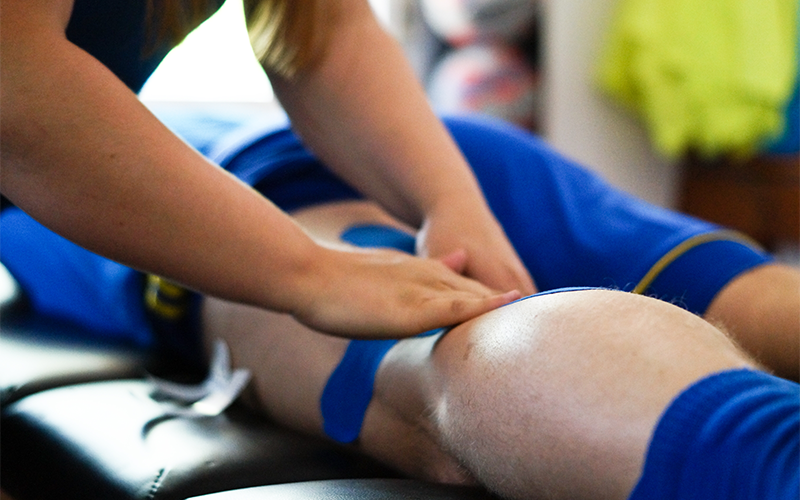
That means working with a sports therapist in Singapore can involve much more than checking whether your calves feel tight. We may look at ankle mobility, single-leg balance, calf strength, and hip control to see whether any of these factors are changing how you absorb force when you run.
If the findings suggest hands-on treatment is appropriate, we may use sports therapy massage to reduce muscular tension and address movement restrictions around the calf and ankle. Just as importantly, we pair this with corrective exercises and practical guidance so the treatment supports better movement rather than simply making the area feel better for a short time.