Key Takeaways
- The effects of sitting all day can influence how comfortably the hips, spine and shoulders move once you stand, walk or exercise.
- Recurring aches are often linked to several contributing movement patterns rather than one isolated tight muscle.
- Hands-on treatment may help reduce muscle tension, but lasting improvement often depends on restoring mobility, strength and better movement habits.
- Regularly changing position, walking and adding appropriate exercises can help the body cope better with long periods of desk work.
Introduction
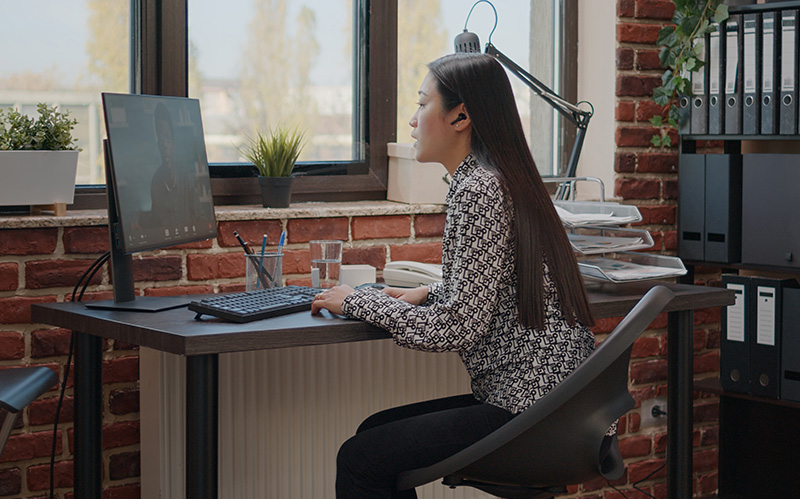
For many of us, a typical workday means hours at a desk, back-to-back meetings and more sitting during the commute home. The issue is not sitting itself, but how little we move when we stay in the same position for long stretches.
Over time, the effects of a sedentary lifestyle can become surprisingly noticeable. Your hips may feel stiff when you stand up, your back may tighten after a long meeting, or your shoulders may feel restricted when you reach overhead at the gym. These changes can build gradually, so it is not always obvious that your daily routine is contributing to them.
The effects of sitting all day usually go beyond one tight muscle. More often, they reflect a mix of reduced joint movement, prolonged muscle tension and movement patterns that the body has repeated for hours. Over time, those patterns can influence how comfortably and efficiently you move outside the office.
Common Movement Changes Caused by Prolonged Sitting
Tight Hip Flexors Can Limit Hip Mobility
When you sit for long periods, your hips stay flexed for much of the day. Over time, this can contribute to hip flexor tightness and make it harder for the hip to move freely into extension.
You may notice this when walking quickly, running or performing lunges. For example, we sometimes see office workers who feel fine while seated but notice one leg doesn't move as freely behind them once they start exercising. The body may then find another way to create that movement, often by increasing motion through the pelvis or lower back.
That is why we do not assume that every desk worker simply needs more hip flexor stretching. We look at how the hip moves, how the pelvis responds and whether another part of the body is compensating for a restriction.
Reduced Glute Contribution Can Increase Lower-Body Strain
The gluteal muscles help extend the hip and keep the pelvis controlled during walking, climbing stairs and exercise. When you spend much of the day sitting, they stay relatively inactive compared with when you are standing, walking or exercising.
Problems may become more noticeable when you suddenly ask more of them. Someone might sit for most of the working day, then develop knee discomfort during an evening run or while climbing stairs. In a movement assessment, a squat, step-down or lunge may show that the hip is not controlling the leg as effectively as expected, leaving the thighs, hamstrings or lower back to take on more of the load.
If this movement pattern contributes to knee discomfort, treatment may involve improving hip and lower-body control alongside hands-on techniques such as knee pain massage, joint mobilisation, and strengthening exercises.
Rounded Shoulders Can Reduce Upper Body Mobility
Hours spent working at a computer often mean your arms stay forward, and your head and shoulders remain in a similar position for much of the day. The problem is not that you have failed to maintain a single “perfect” posture. Even a good sitting position can start to feel uncomfortable when you hardly move.
Over time, your chest may feel tighter, while the muscles around your upper back and shoulder blades get less opportunity to work through different positions. You might notice this when reaching overhead, rotating your upper body or lifting something above shoulder height.
Someone may come to us describing “tight shoulders”, but a movement assessment can sometimes reveal that the restriction also involves the upper back or the way the shoulder blade moves. Treating only the sore area may therefore miss part of the picture. As part of our shoulder pain treatment approach, we may assess posture, range of motion and muscle strength to understand what is contributing to the restriction.
A Stiffer Spine Can Affect Everyday Movement
Your spine is meant to bend, extend and rotate throughout the day. When it stays in a fairly fixed position for several hours, it is common to feel stiff when you finally get up and start moving again.
You may notice this when standing after a long meeting, twisting to reach for something behind you or bending down to put on your shoes. For some people, the discomfort settles once they have moved around for a while. For others, the same stiffness keeps returning day after day.
In our lower-back assessments, we look beyond the area that feels tight. We consider how someone sits, stands, walks and moves through the hips and legs, because these areas often influence one another. This wider view helps us understand how the effects of sitting all day may shape how the body moves, rather than treating back stiffness as an isolated problem.
How Prolonged Sitting Changes Your Movement Patterns
Your body gradually adapts to the positions you spend the most time in. If your hips stay bent, your spine moves little, and your arms stay in front of you for much of the day, those patterns can carry over into how you move elsewhere.
The changes are often subtle at first. Your stride may feel shorter after work, you may rely more on your lower back when standing upright, or your shoulders may feel comfortable at the desk but restricted when you reach overhead during exercise.
This is why the effects of sitting all day cannot always be explained by poor posture alone. We look more closely at how prolonged sitting affects the way you stand, walk, lift and exercise, because that often reveals where stiffness, reduced mobility or compensation is developing.
Why Treating the Symptoms Alone May Not Be Enough
When the same discomfort keeps returning, focusing only on the sore area may ease the symptoms for a while without addressing what is contributing to the problem.
That is why we start by looking at how the body moves as a whole. Someone with lower-back tightness may also have limited hip extension, while shoulder discomfort may stem from reduced upper-back mobility. In other cases, knee pain may be influenced by how well the hip controls the leg during single-leg movements.
Our ATE™ Method: Assessment, Treatment and Exercise combines movement checks and targeted questions to identify areas of restriction, weakness or compensation, then uses appropriate hands-on treatment and corrective exercises based on what we find.
Hands-on techniques such as a deep tissue massage can help reduce muscle tension where appropriate. However, we also look at movement habits that may repeatedly place stress on the same areas, so treatment is not limited to temporary symptom relief.
Small Movement Changes Can Make a Big Difference
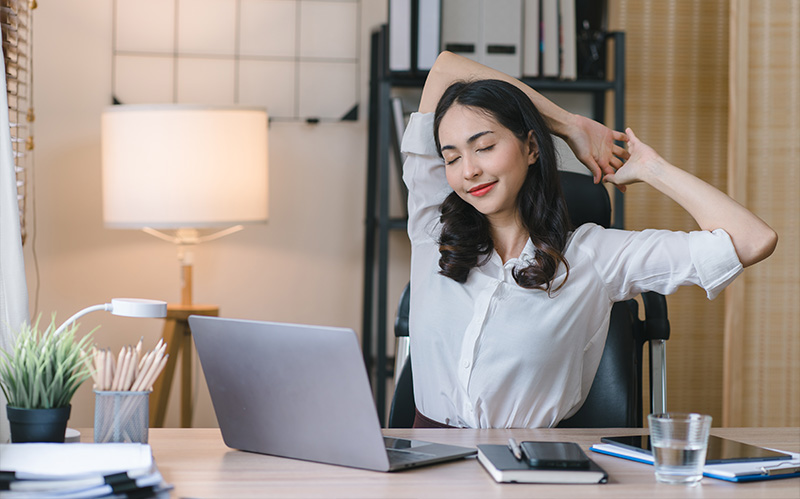
You do not need to spend the whole workday trying to hold the “perfect” posture. In many cases, it is more useful to change position regularly and give your body more opportunities to move.
That can be as simple as standing up between tasks, walking while taking a short phone call or moving your hips and shoulders after a long meeting. Research also supports the value of breaking up prolonged sitting. A systematic review of sedentary behaviour and musculoskeletal pain found that reducing workplace sitting was associated with reductions in lower-back pain, neck and shoulder pain, and general musculoskeletal discomfort.
If you exercise after work, a few minutes of walking and gentle mobility can also help ease the transition from several hours of sitting into more demanding activity.
The most useful exercises will depend on what your movement assessment shows. One person may need more hip mobility and glute activation, while another may benefit from better upper-back rotation, shoulder control or lower-body stability. The aim is not to add movement for its own sake, but to focus on the areas that are actually limiting how comfortably you move.
Conclusion
The effects of sitting all day can show up in more ways than simply feeling stiff after work. Reduced hip mobility, a less mobile spine, restricted shoulder movement and poorer lower-body control may all affect how comfortably you walk, exercise and manage everyday activities.
At Sports Massage Clinic, we use our ATE™ Method: Assessment, Treatment and Exercise to look beyond the area that feels tight or sore. We assess how you move, use targeted hands-on treatment where appropriate and reinforce those changes with corrective exercises suited to your movement needs.
If long hours of sitting are starting to affect how you move or exercise, book an assessment with our team. We can help identify what may be contributing to the problem and work with you on a more suitable way forward.