
Ankles carry, lift, and balance the body through every step, climb, and jump. One wrong twist or excessive running can strain the thick tendon that links the heel to the calf. That’s when smart steps in and leads the way to healing. Acting early lets the body repair and bounce back with ease. No need for big changes—just gentle care, rest, and steady habits. With patience, that sore tendon can grow stronger and move freely again.
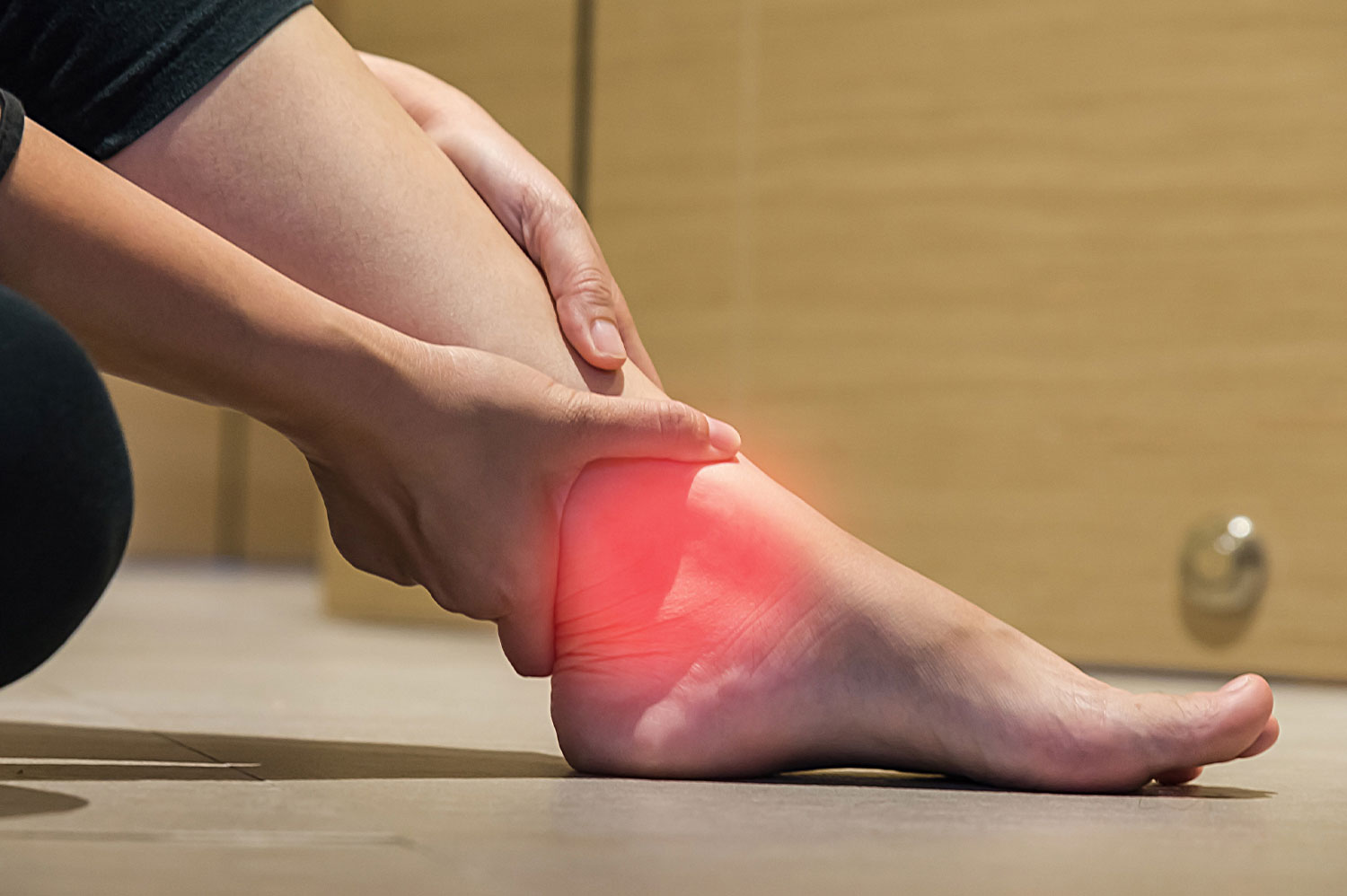
What is Achilles Tendonitis
Achilles tendonitis occurs when the tendon connecting your calf muscle to your heel becomes sore, swollen, or torn. This crucial tendon enables your foot to rise and drop, powering every step, hop, and push-off. Overuse or excessive strain can overstretch the tendon, leading to pain and discomfort.
Injuries typically fall into two categories:
- Non-insertional: Tiny rips grow in the middle part of the tendon.
- Insertional: Pain shows up where the tendon grips your heel bone.
Where the pain occurs can reveal the kind of injury you’re dealing with.
What Triggers It
Quick, repeated moves strain the tendon. These movements stretch it repeatedly. If you don’t slow down and take a rest, the tendon won’t fix itself. Soon, the pain kicks in and slows you down.
You might hurt your tendon if you:
- Jump into intense workouts without warming up
- Skip stretching before or after exercise.
- Wear shoes with weak support.
- Run on hills or steep paths.
All these actions wear down your tendons over time. If you ignore the pain, things might get worse.
How to Identify Symptoms of Achilles Tendonitis
Aches after exercising may seem normal. When pain sticks with you, there is a possibility you might face tendonitis. Sore muscles often fade like morning fog, but tendon pain lurks like a shadow, waiting to creep back in when you start to move. Keep your eyes open for clues—like puffiness, morning tightness, or a sting when you rise on your toes. If these signs pop up, act fast—don’t wait.
Acting early helps your body mend fast and keeps small problems from growing big. Trust what you feel and step in before it gets worse.
Ways to Support Recovery
Your body knows how to repair, but it needs help. With simple care, your tendon will feel strong again. Most people recover without any surgery. Early Achilles tendonitis treatment guides your body to heal quickly.
Start with these easy actions:
- Rest your leg. Swap out running for swimming or biking.
- Chill your heel with ice for 15–20 minutes a few times each day.
- Wrap your ankle with a soft band or brace for support.
- Raise your leg on a pillow to cut down the swelling.
These steps lighten the load on your tendon and spark healing.
Exercises to Regain Strength and Flexibility
Stretching and strengthening the Achilles tendon helps it recover and stay strong after the pain fades. Begin with gentle Achilles tendon pain exercises that support healing without strain. Press the foot against a wall to stretch the calf, then slowly drop the heels off a step to build strength. While sitting, pull a towel under the toes to loosen tight muscles, and push the foot against a stretchy band to train control. Repeat these simple movements every day. They help the ankle bend with ease and guide the tendon to flex and move smoothly again.
Rehabilitation Tips for a Safe Recovery
Fixing an injury takes more than just rest. A full plan for sports injury rehabilitation builds your tendons strong enough to work like before. Keep your focus and stick to the plan.
To recover well, you should:
- Add movement little by little
- Work on balance and ankle strength.
- Avoid bumpy paths and steep hills.
- Follow an expert’s step-by-step guide.
These tricks rebuild strength without risking a repeat injury.
Rest is Key Before Starting Recovery
A sore tendon can’t grow strong until it cools down. First, pause, switch, and give it time. Rest doesn’t mean you stop all movement—it means you replace hard steps with gentle ones. If you push through the pain, those tiny tears inside the tendon can spread fast. Ice your ankle, raise your foot, and keep off your toes. This quiet time builds a base for healing. When your tendon settles, you can start to rebuild without trouble or setbacks.
Tips to Prevent Future Tendon Injuries
You don’t want this pain to sneak up again. If you’ve had it once, you’ll know it’s no fun. Good habits now can save your future self from pain. With a little care, heel and ankle therapy stays simple.
Use these steps to stay safe:
- Warm up before workouts
- Stretch your calves every day
- Avoid intense training on consecutive days.
- Wear shoes that fit just right.
When your body feels tight or tired, pause and rest. That rest keeps your tendon fresh and strong.
Choosing the Right Footwear for Support
Shoes can either shield your steps or wreck your healing. When tendons feel tired, they crave firm, steady support. Pick shoes that grip your heel, lift your arch, and stay strong with each move. Flat or worn-out shoes tug on the tendon too much and slow your recovery.
Supportive shoes steer your foot and ease pressure with every step. The right pair won’t just soothe the ache—it will guard your tendon and block the pain from creeping back in.
Daily Routine That Helps Your Tendons Get Stronger
Includingeasy Achilles tendon pain exercises in your daily routine can spark big changes in your life. These habits shield, soothe, and steer your foot back to feeling strong. You don’t need to rush—just tuck these steps into your day and let your body grow steady again.
Try these helpful habits each day:
- Slide on soft, steady shoes that support your feet
- Skip long walks on hard floors that strain your heel.
- Stretch your ankle gently in the morning and before bed.
- Place an ice pack on your heel after walking.
Stick to these simple moves, and your tendons will thank you with each pain-free step.
Final Thought
Tendons provide the power and stability behind every step you take. When pain arises, it’s your tendon’s way of asking for rest and care. Early Achilles tendonitis treatment can stop minor aches from becoming major injuries. Stretch, take breaks, and gradually build your strength. This isn’t giving up—it’s choosing to come back stronger. A sore tendon can heal, and so can your confidence. Move forward with care, follow the plan, and welcome your strength back—one step at a time.
At Post Rehab Specs, we specialise in sports massage therapy and deep tissue treatments in Singapore, helping athletes and active individuals recover faster and move better. Whether you're dealing with knee pain, back aches, or sports injuries, our expert therapists provide tailored care to support your recovery and long-term wellness. Feel stronger, faster, and pain-free with our trusted hands-on therapy.
Frequently Asked Questions