Key Takeaways
- Muscle knots can develop when certain muscles are repeatedly overloaded through daily activities, prolonged positions or demanding exercise routines.
- Recurring discomfort may indicate that the underlying movement habits, workload or recovery patterns have not been adequately addressed.
- Sports massage can provide temporary relief, while movement assessments and corrective exercises help address factors contributing to repeated discomfort.
- Regular movement breaks, gradual training progression and adequate recovery can help reduce recurring stiffness and support more comfortable daily activities.
Muscle Knots Explained: Why They Keep Coming Back
You might notice a tight spot between your shoulder blades that feels better after a massage, only for the discomfort to return a few days later. Or perhaps your calves feel less stiff after stretching, but the tightness comes back once you start running again. It can be frustrating when the same problem keeps returning despite your efforts to relieve it.
Muscle knots often develop gradually, as certain muscles are repeatedly strained through everyday activities, prolonged sitting or exercise. While massage and stretching may provide relief, they do not always address what is causing the discomfort. At Sports Massage Clinic, we look beyond the tight muscle to understand why it keeps becoming uncomfortable and what may help prevent the problem from recurring.
What Are Muscle Knots?
Muscle knots, also known as myofascial trigger points, are sensitive areas within a muscle that can feel like small, tight lumps or bands beneath the skin. They may be tender when pressed and can cause stiffness, aching or discomfort during movement. Sometimes, pressing on one of these spots can even cause pain in another part of the body.
Despite their name, muscle knots are not actual knots in the muscle fibres. They are areas of tenderness and tightness, although the exact reasons they develop are still being studied. We consider more than just where the discomfort occurs. We also assess how your muscles and joints move, what activities trigger your symptoms and whether other areas of your body may be contributing to the problem.
Why Do Muscle Knots Develop?
Muscle knots can develop for several reasons, often when certain muscles are placed under repeated strain or have insufficient time to recover. Here are some common factors that may contribute to recurring tightness.
Repeated Work or Training Demands
When you repeatedly use the same muscles for work, exercise or sport, they may become sore and tight, particularly if the workload increases faster than your body can adapt. For example, a recreational runner who suddenly adds more hill runs or gym sessions may start experiencing persistent calf tightness, even without a noticeable injury.
In such cases, stretching or massage may ease the discomfort, but adjusting the training load is often just as important. If the tightness is accompanied by pain beneath the foot, heel pain massage may help relieve discomfort in the surrounding muscles. However, persistent heel pain should also be assessed for conditions such as plantar fasciitis.
Staying in One Position for Too Long
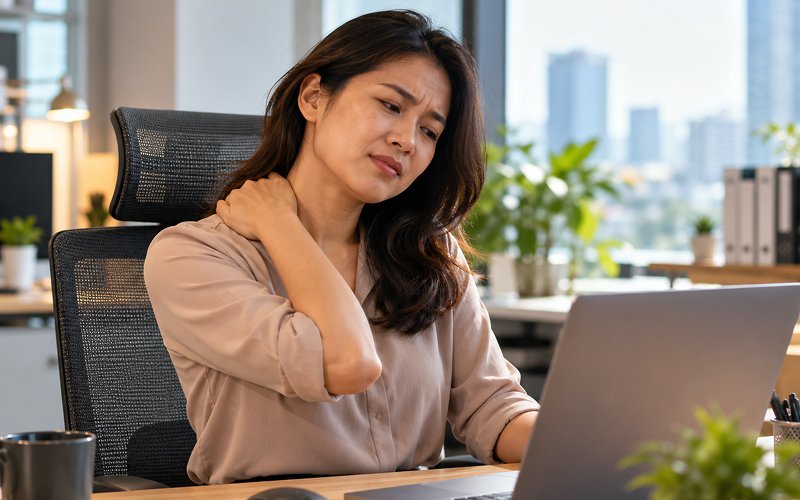
Spending hours at a desk or looking down at your phone can contribute to muscle tightness, especially around the neck, shoulders and upper back. For instance, someone who works on a computer throughout the day may notice a tender spot developing near the shoulder blade, particularly after long periods without a break.
This does not necessarily mean you have poor posture. Even a comfortable sitting position can become tiring when maintained for too long. Taking regular movement breaks, adjusting your workstation and changing positions throughout the day may help. If the discomfort also makes it difficult to lift your arm or sleep comfortably, shoulder pain treatment may involve assessing the shoulder joint and surrounding muscles to identify other possible causes.
Compensating for Restricted Movement
Sometimes, the muscle that feels tight is not where the underlying problem begins. Limited joint mobility, reduced strength or changes in movement following an injury can cause other muscles to take on additional work.
For example, someone who regularly experiences lower back tightness during squats may have difficulty moving through their hips or maintaining control during the exercise. Massaging the lower back might provide temporary relief, but the discomfort may return if these contributing factors are not addressed. That is why we assess how different parts of the body work together, rather than focusing only on the area that feels tight.
Why Do Muscle Knots Keep Coming Back?
Muscle knots may feel better after a massage, but the relief might not last if the factors causing the tightness remain unchanged. Repetitive movements, prolonged sitting, training habits and insufficient recovery can continue placing strain on the same muscles, causing discomfort to return even after treatment.
For example, an office worker might notice that their shoulders feel more relaxed after a Friday massage, only for the familiar tightness to return by the middle of the following week. If they continue spending long hours at their desk without regular breaks, the same muscles may become overloaded again. In this situation, repeated trigger point release may provide temporary relief, but changes to their workstation setup, movement habits and shoulder strength may also be needed.
Recurring tightness does not necessarily mean that previous treatment was ineffective. Stress, poor sleep and inadequate recovery can also affect how muscles feel and respond to physical demands. Rather than repeatedly treating the same tender spot, it is worth understanding when the discomfort returns, what activities trigger it and which factors may be contributing to the problem.
Why We Look Beyond the Tight Muscle
We believe that managing recurring muscle tightness starts with understanding why it develops. Our ATE™ Method combines Assessment, Treatment and Exercise to address both the discomfort you are experiencing and the factors that may be contributing to it.
We begin by discussing your symptoms, daily activities and movement habits. Depending on where you feel discomfort, we may assess how you turn your neck, raise your arms or move through different exercises. This helps us identify areas of restricted movement, muscle weakness or repeated strain that may be contributing to the tightness.
Based on our findings, we use sports massage and soft tissue therapy to relieve muscle tension and improve comfort during movement. Techniques such as deep tissue massage may be included where appropriate, with the pressure adjusted to your comfort and needs. Applying more force does not necessarily produce better results.
We also recommend corrective exercises to help you maintain improvements between sessions. For someone experiencing recurring upper-back tightness, this might involve exercises to improve shoulder mobility and strength. A runner with persistent calf tightness may benefit from progressive strengthening and adjustments to their training routine. By combining hands-on treatment with practical movement advice, we aim to help you manage recurring discomfort more effectively.
Simple Ways to Reduce Recurring Tightness
Making small changes to your daily habits can help reduce the strain placed on your muscles and prevent tightness from building up repeatedly. Here are some practical steps you can take:
- Move regularly throughout the day. If you spend long hours sitting or working at a desk, take short breaks to stand, walk or stretch. Changing positions regularly gives your muscles a break from staying in the same position for too long.
- Increase exercise intensity gradually. Avoid making sudden increases to your running distance, workout intensity or training frequency. Give your muscles enough time to adapt to additional demands, particularly when returning to exercise after a break.
- Try gentle self-massage. Using a foam roller or massage ball can help ease tightness between treatment sessions. Apply comfortable pressure and avoid pressing too hard, as excessive force may aggravate sensitive areas.
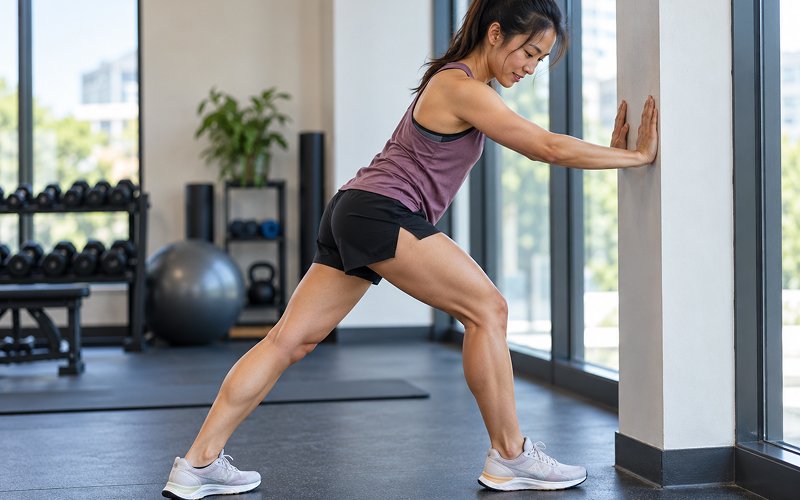
- Include stretching and strengthening exercises. Gentle stretching can help improve flexibility, while strengthening exercises build your muscles' ability to handle everyday movements and physical activity. Choose exercises that address your specific needs rather than focusing only on the area that feels tight.
- Allow enough time for recovery. Getting sufficient sleep, scheduling rest days and avoiding excessive training loads can help your muscles recover from physical demands. Pay attention to persistent soreness or fatigue, which may indicate that you need to adjust your routine.
If the tightness continues despite these changes, or you experience worsening pain, numbness, significant weakness or swelling, seek a medical assessment to rule out other possible causes.
Managing Muscle Knots Beyond Temporary Relief
Recurring muscle knots can be frustrating, especially when the discomfort keeps returning despite regular massage or stretching. While these methods may help ease tightness, lasting improvements often depend on understanding what is placing repeated strain on your muscles.
Pay attention to when the discomfort occurs, which activities make it worse and what helps relieve it. Making adjustments to your movement habits, exercise routine and recovery can help reduce recurring tightness and allow you to carry out daily activities more comfortably.
Client Profile
At Sports Massage Clinic, we help working professionals and active individuals manage muscle tightness, recurring discomfort and movement restrictions. Our trained Recovery Partners use the ATE™ Method, combining movement assessment, targeted sports massage and corrective exercises to address contributing factors and support longer-term improvements. We also recognise when symptoms require medical assessment and recommend appropriate referrals when necessary.
Book an appointment to have your muscle tightness assessed and explore suitable treatment options.
Frequently Asked Questions
1. Can muscle knots disappear on their own?
Yes. Tender spots may settle as activity demands change and the muscles recover. If discomfort keeps returning or limits movement, an assessment can help identify possible contributors.
2. Does trigger point release permanently remove muscle knots?
No technique guarantees permanent relief. Trigger point release may reduce tenderness temporarily, but recurring symptoms may also need changes to exercise, recovery or everyday movement.
3. How can I tell a muscle knot from an injury?
You cannot reliably tell from tenderness alone. Sudden pain after injury, swelling, significant weakness or persistent symptoms warrant professional assessment.
4. Are muscle knots caused by poor posture?
Not necessarily. Remaining in one position for long periods may contribute, but there is no single posture that causes muscle knots in everyone. Regular movement and sensible workload changes can help.