
Key Takeaways
- Choose sports massage if you experience muscle tightness, stiffness or post-exercise soreness without significant weakness or signs of injury. It may help ease discomfort and improve mobility.
- Choose physiotherapy if you have persistent pain, reduced joint function or a suspected tendon or ligament injury that requires structured rehabilitation.
- Seek medical assessment first if you experience unexplained swelling, numbness, worsening weakness or significant pain following an injury, as massage may not be appropriate.
- Sports massage and physiotherapy can complement each other, particularly during recovery from an injury. At Sports Massage Clinic, we assess your symptoms and movement limitations to determine whether hands-on treatment, corrective exercises or referral is appropriate.
You might notice your shoulders feeling tight after a long day at work, or your legs becoming stiff and sore after a demanding workout. While these symptoms may seem like ordinary muscle tension, they can sometimes point to problems that need more than a massage. This can leave you wondering whether sports massage or physiotherapy would be more suitable, especially when the discomfort keeps coming back.
At Sports Massage Clinic, we understand that knowing where you feel pain is only part of the picture. We also want to know how the discomfort started, which movements make it worse and how it affects your daily activities. By taking these factors into account, we can better understand what may be contributing to your symptoms and determine whether sports massage is appropriate or if you would benefit from further assessment.
Sports Massage and Physiotherapy: What Is the Difference?
Sports massage and physiotherapy both aim to relieve discomfort and improve movement, but they differ in how they approach treatment and the types of problems they address.
Sports massage primarily focuses on the muscles and surrounding soft tissues. We use targeted soft tissue therapy to help relieve muscle tension, reduce stiffness and make everyday movements more comfortable. This can be particularly useful for people experiencing tightness from prolonged sitting, repetitive movements or regular exercise. We also incorporate corrective exercises where appropriate to help address factors contributing to recurring discomfort.
Physiotherapy, on the other hand, covers a wider range of musculoskeletal pain and injuries, including problems involving the joints, tendons, ligaments and nerves. Physiotherapists assess how these structures affect movement and function before developing a rehabilitation plan. Depending on the condition, treatment may involve strengthening exercises, joint mobilisation, movement retraining and manual therapy.
Although both approaches can include hands-on treatment and exercise, the more suitable option depends on what is causing your symptoms and the level of care needed to manage them.
When Might Sports Massage Be Suitable?
Sports massage may be suitable when muscle tightness, stiffness or soreness is affecting your comfort and mobility, particularly if the discomfort develops gradually from everyday activities or exercise.
For example, you might spend most of your working day at a computer and notice that your neck and shoulders feel increasingly tight by the evening. Although you can still move your arms and turn your head normally, the discomfort keeps returning despite stretching or taking short breaks. We would assess how your neck, shoulders, and upper back move, and look at how your working habits may be contributing to the tension.
In cases like this, our approach to sports massage may involve targeted treatment to relieve tight muscles, supported by mobility exercises and practical advice on managing prolonged sitting. We want to help you understand why the discomfort keeps returning, rather than simply providing temporary relief.
Sports massage may also help with muscle soreness following exercise. For instance, a runner who has recently increased their weekly mileage might experience tight calves, while someone returning to strength training may notice soreness in their thighs after squats. If the discomfort is consistent with normal post-exercise soreness and gradually improving, massage may help make movement more comfortable during recovery.
However, we also consider your training intensity, frequency and recovery time. If your muscles are repeatedly becoming sore or tight, adjusting your training load may be just as important as receiving hands-on treatment. Sports massage can support muscle recovery, but it cannot replace adequate rest, progressive strength training or appropriate injury management.
When Does Physiotherapy Make More Sense?
Physiotherapy may be more appropriate when pain goes beyond muscle tightness and starts affecting your strength, mobility or ability to carry out everyday activities. Unlike general muscle soreness, these symptoms may involve problems with the joints, tendons or ligaments that require a more structured approach to recovery.
For example, you might notice that your shoulder has become increasingly stiff, making it difficult to lift your arm, get dressed or reach behind your back. While massage may help relieve tension in the surrounding muscles, the underlying problem could involve the shoulder joint itself. Conditions such as frozen shoulder often require a combination of joint assessment, guided exercises and rehabilitation. Depending on the severity of your symptoms, frozen shoulder treatment in Singapore may also involve further medical evaluation.
The same applies to injuries sustained during sports. If you twist your knee while playing football and subsequently experience swelling, pain or a feeling that your knee might give way, it is important to have the injury assessed before starting hands-on treatment. These symptoms may indicate damage to the ligaments or other structures within the knee, which could require a targeted rehabilitation programme.
Another example is persistent heel pain, particularly if you experience sharp discomfort when taking your first steps in the morning. This pattern is commonly associated with plantar fasciitis, although other conditions can cause similar symptoms. Depending on the diagnosis, plantar fasciitis treatment may involve specific strengthening and stretching exercises, footwear adjustments and changes to your activity levels.
We recognise that these conditions cannot always be addressed through muscle treatment alone. If our assessment suggests that your symptoms require a more detailed clinical evaluation or structured rehabilitation, we will recommend seeking care from an appropriate healthcare professional.
When Should You Seek Medical Assessment?
Although sports massage can help relieve muscle tension and discomfort, certain symptoms may indicate an underlying condition that requires medical attention. Knowing when to seek further assessment is important, particularly if your pain is not improving or is beginning to interfere with your daily activities.
For example, if you continue to experience worsening pain despite treatment, develop unexplained swelling or notice persistent numbness, tingling or muscle weakness, we would recommend seeking medical advice to establish what is causing these symptoms. Pain following a significant fall or injury should also be assessed promptly, especially if you cannot put weight on the affected area or suspect a fracture.
Some symptoms require more urgent attention. Sudden or severe muscle weakness, or lower back pain accompanied by new problems controlling your bladder or bowels, may indicate a serious condition that needs immediate medical assessment.
We take these warning signs seriously. If we identify symptoms that suggest sports massage may be unsuitable, we will advise you to seek assessment from an appropriate healthcare professional before proceeding with treatment.
Why We Begin With Assessment, Not a Treatment Label
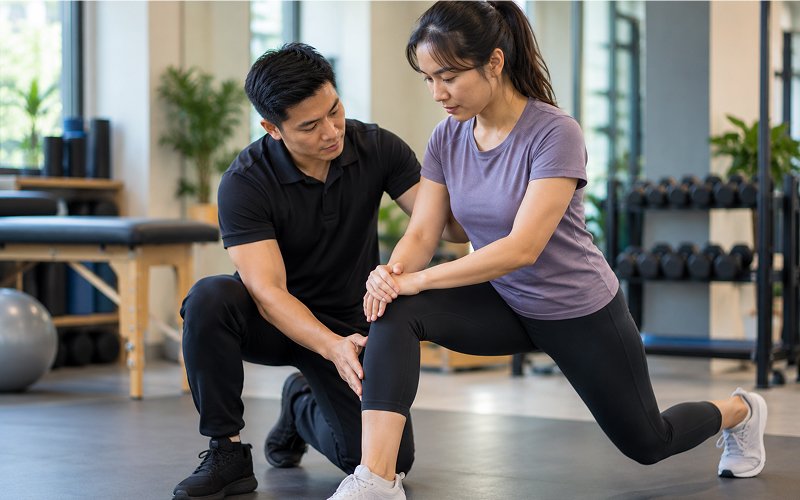
We believe that understanding what is contributing to your discomfort is just as important as relieving the pain itself. That is why we follow our ATE™ Method, which stands for Assessment, Treatment and Exercise. Rather than moving straight into massage, we first take the time to understand your symptoms, previous injuries and how your daily activities or training routine may be affecting your body.
As part of our movement assessment, we look at how you move, which movements cause discomfort and whether certain muscles or joints have restricted mobility. For example, if you are a runner experiencing persistent calf tightness, we may assess your ankle mobility and observe how comfortably you can perform a calf raise. This helps us distinguish between general muscle soreness after training and symptoms that may suggest a tendon injury or another problem requiring further evaluation.
Based on our findings, we can then recommend suitable hands-on treatment and corrective exercises to help you manage muscle tension and improve movement. We also consider practical factors, such as your training load, working habits and recovery time, particularly when the same discomfort keeps returning.
Our Recovery Partners are trained to recognise when sports massage may not be appropriate. If your symptoms suggest a condition that requires medical diagnosis or more specialised rehabilitation, we will recommend further assessment rather than proceeding with treatment that may not address your needs.
Can Sports Massage and Physiotherapy Work Together?
Sports massage and physiotherapy can complement each other, particularly when you are recovering from an injury or gradually returning to your usual activities. While physiotherapy may focus on rebuilding strength, restoring movement and improving your ability to tolerate physical activity, sports massage can help manage muscle tension and discomfort during the rehabilitation process.
For example, if you are recovering from a calf strain, your physiotherapist may guide you through progressive strengthening exercises and assess when it is appropriate to resume running. Alongside this, sports massage may help relieve tightness in the surrounding muscles, provided the treatment is suitable for your stage of recovery.
However, feeling less stiff or sore after massage does not necessarily mean the injured tissue has fully recovered. We encourage you to consider how your muscles respond to exercise, whether your strength has improved and how comfortably you can perform the movements required for your sport. By combining the two approaches where appropriate, you can address muscle discomfort while continuing to work towards restoring strength and function.
Choosing the Right Care Starts With Understanding Your Pain
Deciding between sports massage and physiotherapy depends on the nature of your symptoms, how they affect your daily activities and what you need to recover from. If you are dealing with muscle tightness or soreness from work or exercise, sports massage may help relieve discomfort and improve mobility. However, if you have persistent pain, noticeable weakness or difficulty moving a joint, a more detailed clinical assessment and structured rehabilitation may be necessary.
Rather than repeatedly treating the discomfort whenever it returns, it is worth understanding what may be contributing to it in the first place. This allows you to choose an approach that addresses your current symptoms while supporting your ability to move comfortably and remain active over time.
Client Profile
At Sports Massage Clinic, we specialise in targeted sports massage and corrective exercises for working professionals and active individuals. Our ATE™ Method (Assessment, Treatment and Exercise) combines hands-on therapy with personalised movement guidance to address muscle discomfort and mobility restrictions. Our trained Recovery Partners provide one-on-one care tailored to individual needs, with medical referrals when necessary.
Book a session to have your movement and symptoms assessed.
Frequently Asked Questions
1. Can I go straight for sports massage if I have muscle pain?
Sports massage may be suitable if you are experiencing general muscle tightness or soreness after exercise, particularly when the discomfort is mild and gradually improving. However, if the pain is new, severe, persistent or accompanied by weakness or swelling, it is advisable to seek further assessment before receiving treatment.
2. Does physiotherapy include massage?
Yes, physiotherapists may use massage and other hands-on techniques as part of a rehabilitation programme. However, physiotherapy typically involves a broader approach that may include strengthening exercises, joint mobilisation and movement retraining to address the underlying causes of pain or restricted mobility.
3. Can sports massage replace exercises after an injury?
Sports massage can help relieve muscle tension and discomfort during recovery, but it generally cannot replace rehabilitation exercises. Restoring strength, joint stability, and the ability to tolerate physical activity often requires progressive exercises tailored to the injury. Massage may complement this process when appropriate, depending on your condition and stage of recovery.